Building Code vs. Fire Code: What’s the Difference?
Building code and fire code work together to keep buildings safe—but they serve different purposes. Building code guides how a building is designed, constructed, and renovated, while fire code addresses ongoing safety, maintenance, and daily operations. Learn the key differences, explore common examples, and discover why a building’s original approval is only the beginning of its safety responsibilities.
CAN/ULC‑S573: The Technical Standard Behind Ancillary Devices Connected to Fire Alarm Systems
CAN/ULC‑S573 is the Canadian standard that defines how ancillary devices connected to a fire alarm system must be applied and installed. It covers the interfaces between the fire alarm system and functions like door holders, elevator recall, HVAC shutdown, smoke control, and electrically locked door release, ensuring these systems respond correctly when an alarm occurs. Used in conjunction with CAN/ULC‑S524, S573 closes long‑standing gaps around supervision, documentation, and trade coordination so that the building’s life safety response is reliable, verifiable, and code‑compliant.
CAN/ULC-S1001: Understanding Integrated Testing of Fire Protection and Life Safety Systems
Modern buildings rely on interconnected fire protection and life safety systems — and testing each one in isolation is no longer enough. Learn what CAN/ULC-S1001 requires, who it applies to, and what it means for fire alarm professionals across Canada.
What's New in CAN/ULC-S524: Key Changes Every Fire Alarm Installer Should Know
The 2019 edition of CAN/ULC-S524 brings significant updates to fire alarm installation standards in Canada. From circuit fault tolerance and suite fault isolators to wireless devices and UPS requirements, here's what every electrician and fire alarm technician needs to know.
Changes to CAN/ULC‑S537‑19: How Fire Alarm Verification Has Evolved
CAN/ULC‑S537‑19 has fundamentally raised the bar for how new and modified fire alarm systems are verified in Canada. This edition aligns verification with the 2019 installation and inspection standards, and it embeds detailed, non‑optional report formats. Verifiers must now test field devices, circuits, power supplies, and monitoring connections against defined performance and response‑time criteria. Documentation—drawings, sequences of operation, device lists, and completed verification records—has become a core part of compliance, not an afterthought. For owners, engineers, and contractors, that makes verification a key milestone in both safety and regulatory due diligence.
Keeping Your Building Safe: Understanding the New CAN/ULC-S536-19 Fire Alarm Standards
Starting January 1, 2026, Ontario will officially require all annual fire alarm inspections to comply with the CAN/ULC-S536-19 standard. This update introduces more rigorous device-level testing, mandatory standardized reporting forms, and enhanced battery test methods. Property owners should prepare for longer service windows and increased labor costs as inspections become significantly more thorough and documentation-heavy.
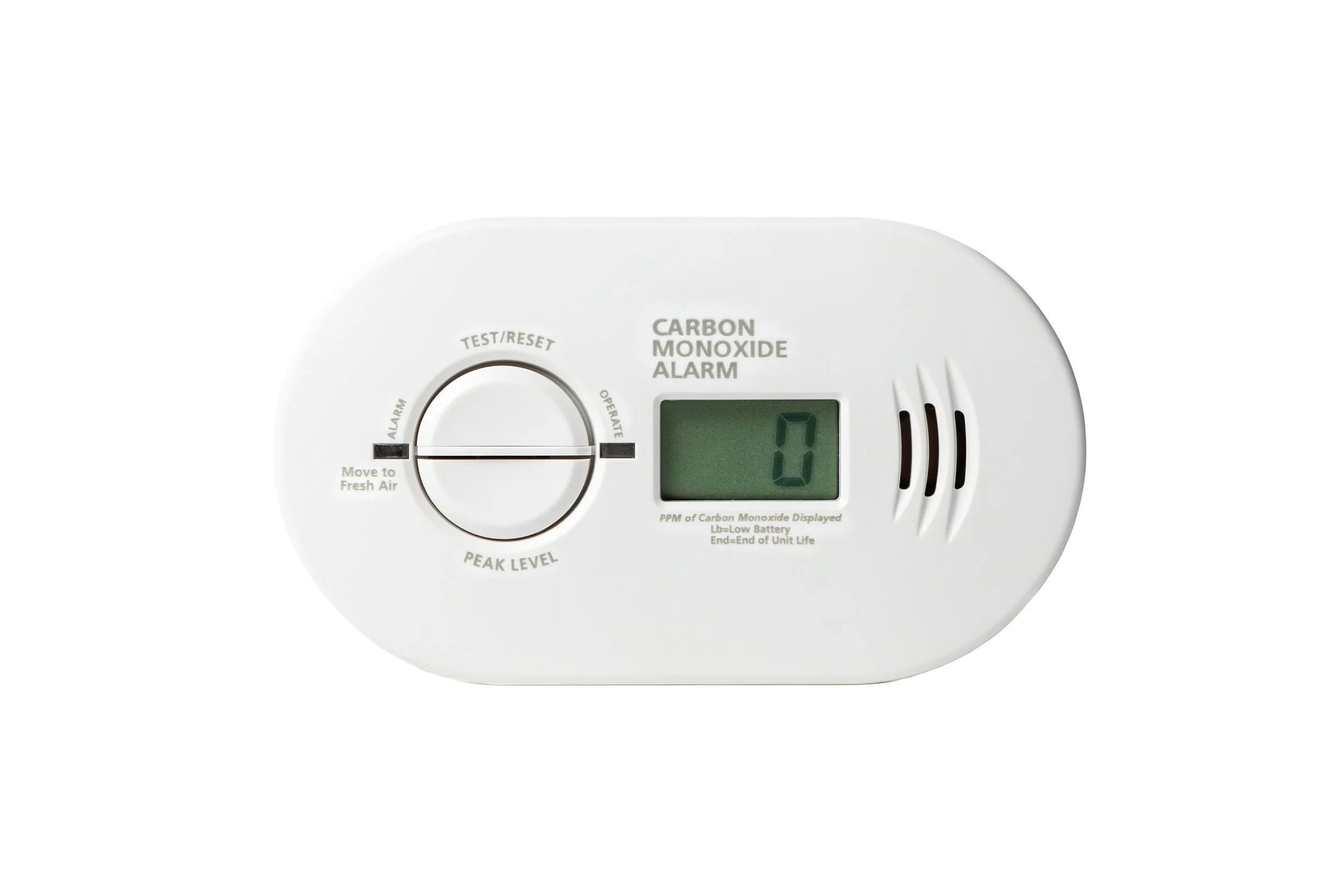
Carbon Monoxide Alarm Requirements in Ontario: What Every Building Owner Needs to Know
Where Carbon Monoxide Alarms Must Be Installed
In buildings where a fuel-burning appliance is located in a service room rather than inside the suite itself, carbon monoxide alarms are still required to protect occupants in nearby units. A CO alarm must be installed in the service room containing the appliance, and in any suite that shares a common wall, floor, or ceiling with that service room.
To ensure effective warning during an emergency, alarms must also be installed adjacent to the sleeping areas within those suites. This ensures occupants are alerted even when doors are closed, maximizing safety during overnight hours.